
For decades, automotive marketing has relied heavily on incentives.
Discounts.
Special financing.
Limited-time offers.
While these tactics can drive short-term results, they often fail to create lasting connections with customers.
That’s because people rarely make major decisions based purely on numbers.
They make them based on emotion. And emotion is driven by stories.
Cars Are Emotional Purchases

Buying a vehicle is rarely just a practical decision.
It represents freedom, independence, family life, adventure, or personal achievement.
A first car can symbolize a milestone.
A family SUV may represent safety and reliability.
A new truck might reflect pride in hard work.
These emotional connections influence how customers choose where to buy.
When marketing focuses only on price, it overlooks the deeper motivations behind the purchase.
Why Stories Capture Attention
Stories engage the brain in ways that simple promotional messaging cannot.
Instead of presenting information, storytelling creates a narrative customers can imagine themselves inside.
For example:
- A customer remembering their first road trip in a new vehicle
- A family upgrading to a larger SUV as their children grow
- A driver rediscovering excitement behind the wheel

These moments resonate because they reflect real experiences.
And when customers see themselves in a story, they feel connected to the brand delivering it.
Handwritten Communication as a Storytelling Tool
Storytelling doesn’t only happen in large advertising campaigns.
It can also happen through small, personal moments.
A handwritten note referencing a customer’s recent purchase or thanking them for trusting the dealership becomes part of their ownership story.
It transforms a marketing message into a meaningful interaction.
Instead of feeling like a promotion, the communication feels like a continuation of the relationship.
Why Emotion Drives Long-Term Loyalty
When customers connect emotionally with a dealership, their relationship becomes stronger than a single transaction.
They begin to associate the dealership with positive experiences.
That emotional memory influences future decisions.
When it’s time for service or another vehicle, the dealership that created that connection is often the first one customers consider.
Creating Story-Driven Campaigns
Dealership storytelling can take many forms, including:
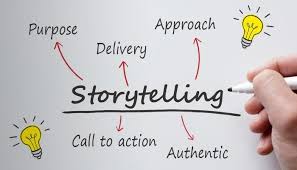
- Highlighting customer ownership experiences
- Sharing dealership milestones or community involvement
- Celebrating long-time customers
- Acknowledging meaningful purchase moments
These stories remind customers that the dealership is made up of people, not just inventory. And people connect with people.
The Bottom Line
Price will always play a role in automotive marketing.
But emotion often determines where customers ultimately choose to buy.
Dealerships that tell meaningful stories and reinforce them through thoughtful communication, create deeper connections with their audience.
And those connections often lead to stronger loyalty, greater trust, and more long-term growth.